 Skip to content
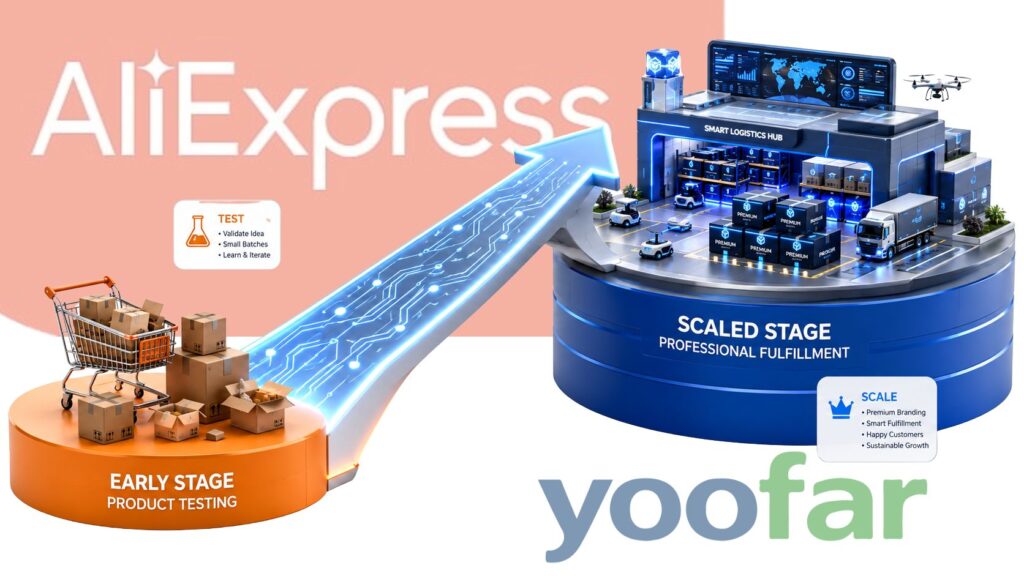
AliExpress has helped many sellers start their dropshipping journey. It is easy to use, requires little upfront investment, and allows store owners to test products without holding inventory or building a complex supply chain.
For beginners, this model can work well. A seller can find a product, list it on a Shopify or WooCommerce store, run ads, and fulfill orders one by one.
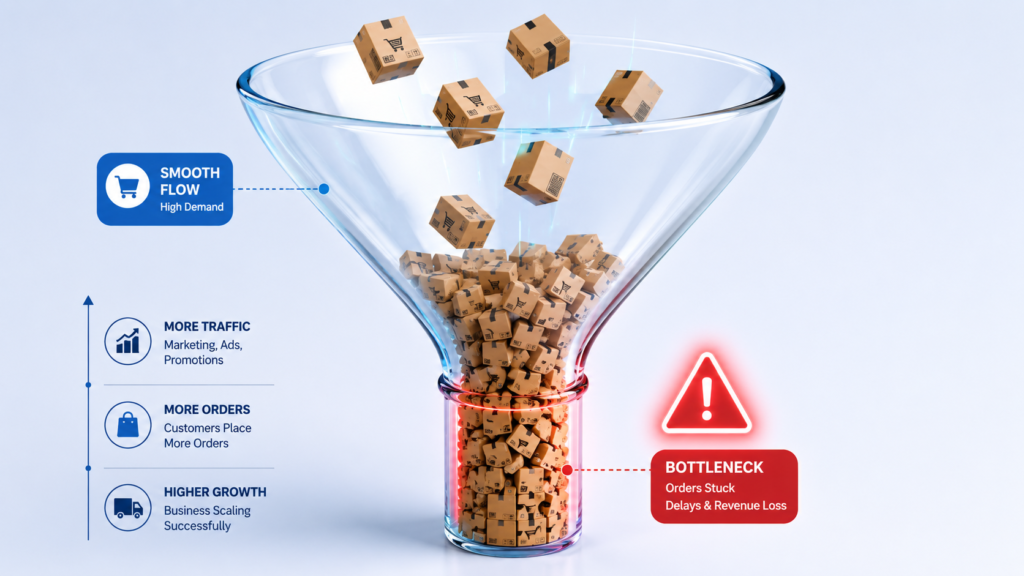
However, once a dropshipping store starts receiving consistent orders, the same system that helped the seller get started can quickly become a bottleneck. Product quality may become unstable. Shipping times may vary. Suppliers may respond slowly. Tracking updates may be delayed. Customer complaints may increase.
At this stage, sellers often realize that scaling a dropshipping business is not only about finding more products. It is about building a more reliable fulfillment and supply chain system.
That is why many growing sellers start moving beyond AliExpress and look for better dropshipping fulfillment, stable product sourcing, and professional China dropship warehouse support.
AliExpress Is Good for Testing, But Not Always for Scaling
AliExpress is useful because it lowers the barrier to entry. New sellers can test different products with little risk. They do not need to negotiate with factories, rent a warehouse, or manage international shipping directly.
But when a product starts selling every day, the business needs change.
A store with a few weekly orders may tolerate slow manual processing. A store with dozens or hundreds of monthly orders cannot. The seller needs stable inventory, faster order processing, consistent quality, and clear after-sales solutions.
Customers do not care whether the order comes from AliExpress, a private supplier, or a fulfillment warehouse. They only care whether the product arrives on time, matches the product page, and can be resolved quickly if there is a problem.
For growing stores, fulfillment becomes part of the brand experience.
Product Sourcing Becomes More Important After the Testing Stage
In the early stage of dropshipping, many sellers choose products based on price, product images, and supplier ratings. This may be enough for testing demand, but it is not enough for long-term selling.
Once a product becomes a winner, the seller needs to ask deeper questions:
- Can the product be supplied consistently?
- Can the same quality be maintained across different batches?
- Can the supplier support repeat orders?
- Can the packaging be improved?
- Can the product be customized or bundled later?
This is where professional product sourcing becomes important.
Good sourcing is not simply about finding the cheapest product. It is about finding reliable factories, checking product specifications, comparing quality, negotiating better pricing, and reducing the risk of stock shortages.
For Shopify sellers, stable sourcing can make the difference between short-term sales and long-term growth. A reliable supply chain helps sellers avoid sudden product changes, unstable quality, and poor customer experiences.
Quality Control Helps Reduce Refunds and Complaints
Many beginner dropshippers underestimate quality control. At low order volume, one or two product problems may not feel serious. But when order volume grows, even a small defect rate can create many refunds, disputes, chargebacks, and negative reviews.
Quality control should become part of the fulfillment process.
Basic QC may include checking product model, color, size, quantity, appearance, packaging condition, and whether the item matches the seller’s listing. For branded packaging or customized products, QC becomes even more important.
A professional China dropshipping agent can help check products before they are shipped to customers. This reduces the risk of wrong items, damaged packaging, missing accessories, or inconsistent quality.
For growing ecommerce stores, QC is not an extra step. It is a way to protect customer trust.
A China Dropship Warehouse Can Improve Fulfillment Stability
AliExpress-style fulfillment often depends on individual suppliers shipping products separately. This can create delays, especially when products come from different factories or regions.
A China dropship warehouse can make the process more stable.
When products are stored in a fulfillment warehouse, they can be picked, packed, checked, and shipped through suitable logistics routes. This helps reduce processing delays and gives the seller better control over fulfillment performance.
For many growing dropshipping stores, warehousing does not mean buying large inventory. It can be flexible. Sellers may only stock proven products, winning items, seasonal products, or products with stable daily orders.
The goal is not to take unnecessary inventory risk. The goal is to make fulfillment more predictable.
When a store has consistent sales, warehouse-based fulfillment can help improve delivery stability, reduce supplier dependency, and support a better customer experience.
Shopify Fulfillment Needs More Than Order Sync
Many providers talk about Shopify integration, but Shopify fulfillment is not only about syncing orders.
Order sync is only the first step. A growing seller also needs product matching, inventory updates, packing instructions, shipping method selection, tracking upload, and issue handling.
A better fulfillment process should help sellers reduce manual work and avoid operational mistakes. When orders are processed efficiently, sellers can spend more time on marketing, product research, customer communication, and store growth.
For Shopify, WooCommerce, and eBay sellers, the ideal fulfillment setup should be simple enough for daily use but strong enough to support growth.
Shipping and After-Sales Support Also Matter
Shipping is one of the biggest pain points in dropshipping.
A cheap shipping method may look attractive, but it can create problems if delivery is slow, tracking is unclear, or customer expectations are not managed properly. A faster route may improve customer satisfaction, but it still needs to make sense for the seller’s profit margin.
Growing sellers need logistics options that match their target markets. For example, stores selling mainly to the United States, Europe, Canada, or Southeast Asia may need different routes depending on product weight, product value, destination, and expected delivery time.
After-sales support is also part of the supply chain.
Lost packages, delayed tracking, damaged products, wrong items, and return requests are common in ecommerce. If the seller has no clear process for these problems, customer service becomes stressful and time-consuming.
A reliable fulfillment partner can help check order issues, provide reshipment solutions, assist with returns, and communicate more efficiently when problems happen.
For small and mid-sized dropshipping stores, this support is especially important because the seller may not have a large customer service team.
Growing Stores Need a Supply Chain Partner, Not Just a Supplier
The biggest difference between a beginner dropshipping store and a growing ecommerce business is operational stability.
At the beginning, sellers may only need a product link and a basic supplier. But as order volume increases, they need more than that. They need product sourcing, quality control, warehousing, fulfillment, shipping solutions, packaging support, and after-sales assistance.
In other words, they need a supply chain partner.
A reliable China dropshipping agent can help sellers move from product testing to stable fulfillment. This does not mean every seller needs a large 3PL contract or high warehouse minimums. Many growing stores need flexible support that can match their current order volume and scale as the business grows.
For sellers who are moving beyond AliExpress, the right partner can make daily operations smoother and customer experience more consistent.
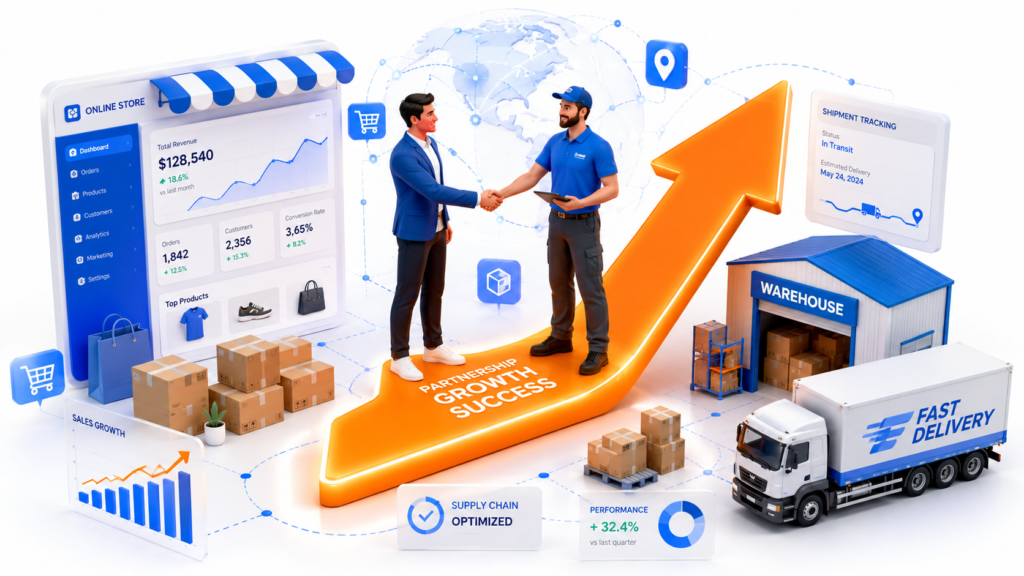
How Yoofar Supports Growing Dropshipping Stores
Yoofar helps Shopify, WooCommerce, and dropshipping sellers build a more stable fulfillment process from China.
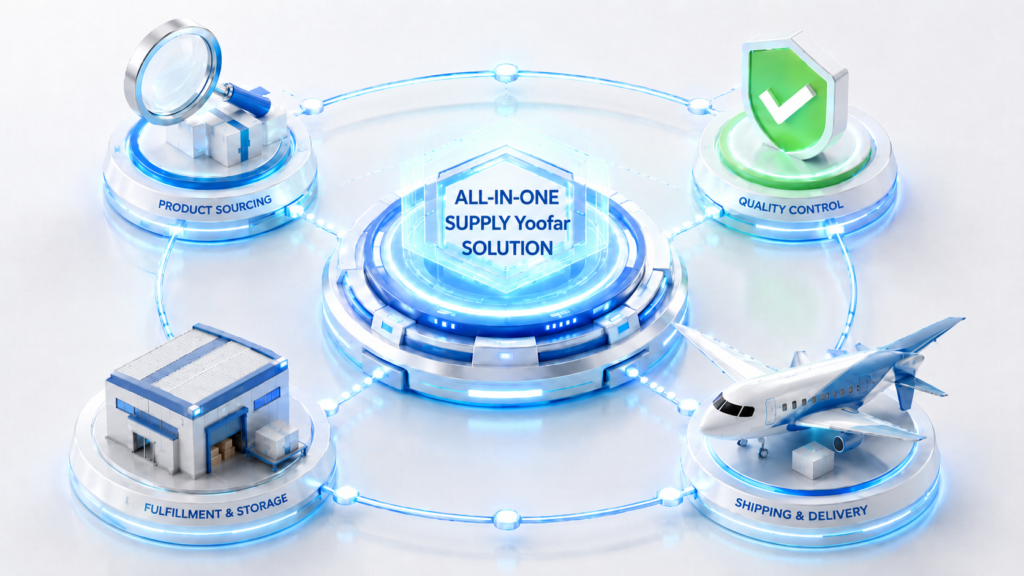
Instead of only providing basic order shipping, Yoofar supports sellers with product sourcing, China warehouse fulfillment, quality checks, pick and pack, branded packaging, global parcel shipping, after-sales support, and membership-based service options.
For new and growing sellers, Yoofar focuses on practical supply chain support without unnecessary complexity. Sellers can test products, improve fulfillment stability, prepare inventory for winning products, and work with dedicated support as their order volume grows.
Yoofar is designed for dropshipping sellers who want to move beyond unstable AliExpress-style fulfillment and build a more reliable long-term operation.
Final Thoughts
AliExpress is a useful starting point for dropshipping. It helps sellers test products quickly and enter the market with low risk.
But once a store starts growing, fulfillment quality becomes a core part of business performance. Stable product sourcing, quality control, warehouse processing, optimized shipping, and after-sales support all affect customer experience and long-term growth.
For growing Shopify and ecommerce sellers, the next step is not simply finding more products. The next step is building a fulfillment system that can support stable, scalable, and customer-friendly growth.
A better supply chain is not just an operational upgrade. It is a foundation for building a stronger dropshipping business.