 Skip to content
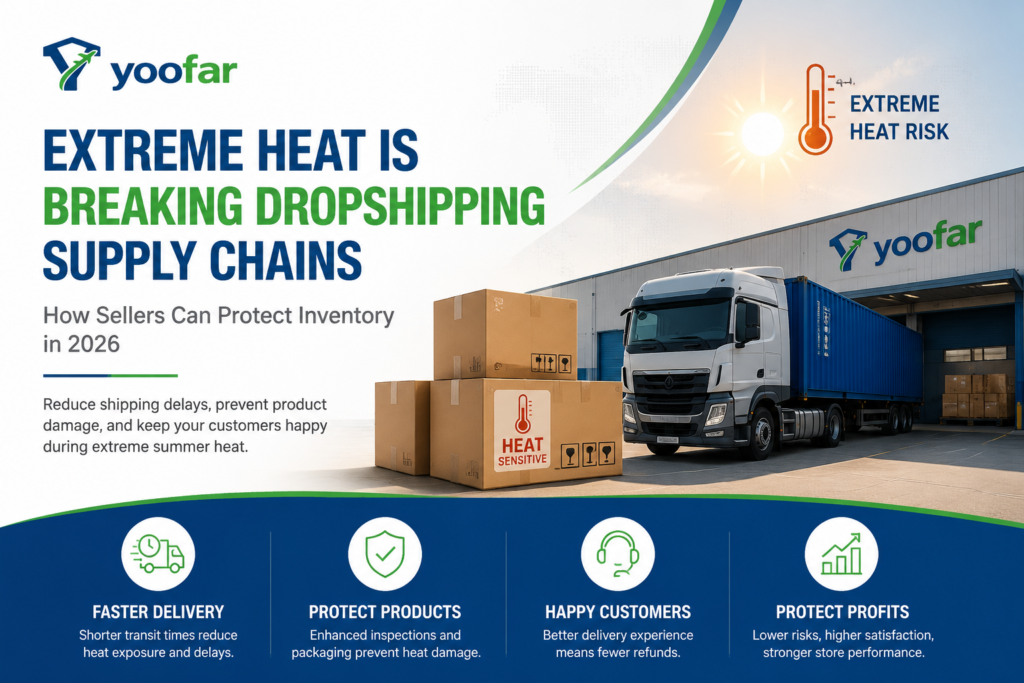
Summer heatwaves are exposing hidden risks in dropshipping supply chains.
Most sellers prepare for seasonal demand, but few consider how extreme heat can disrupt shipping, fulfillment, and product quality.
July 2026. Southern Europe hits 40°C. North America just logged one of the hottest summers on record. The news is full of heat warnings.
But here’s what the headlines won’t tell you: your packages are rotting in uncooled warehouses. Your delivery trucks are stuck on roads under heat alerts. Your customers are filing refunds before their orders even arrive.
Extreme heat isn’t just uncomfortable. It’s a supply chain killer that most dropshipping guides pretend doesn’t exist.
If you haven’t prepared, your summer profit is evaporating right now — and you won’t even know why until it’s too late.Why Extreme Heat Creates New Risks for Dropshipping Supply Chains
Most dropshipping guides will tell you to focus on product research, ad creative, and pricing. They’re not wrong. They’re just incomplete.
Because here’s the truth they skip: supply chain problems destroy profits before your ads even get clicked. And extreme heat is the accelerator that turns small cracks into total collapse.
Three things break first. Every single summer. And most sellers see the damage only when their ad account is already restricted.
1. Extreme Heat Slows Dropshipping Delivery Times
When temperatures spike, logistics carriers don’t just “adjust.” They break.
Delivery drivers get mandatory extended rest breaks. Warehouse staff slow sorting to avoid heat exhaustion. Some courier services pause daytime operations entirely during peak heat hours.
Here’s what that means for your orders:
Shipments that normally take 3–5 days from European warehouses? Now 7–10 days. Packages supposed to arrive Friday? Showing up next Tuesday. That customer who needed it for the weekend? Already refunded.
Shipping delays are the first domino. And when the first one falls, everything behind it falls too.
For seasonal products, even a few days of delay can change customer decisions.
A customer buying a portable fan for a heatwave does not want it after the hottest days are already over.
Late delivery often leads to:
Refund requests
Negative reviews
Lower customer trust
Poor advertising performance
According to logistics industry research, extreme weather events are creating increasing disruptions across global transportation networks.
2. Heat Damage Can Turn Products Into Dead Inventory
High heat and sealed shipping containers are mortal enemies.
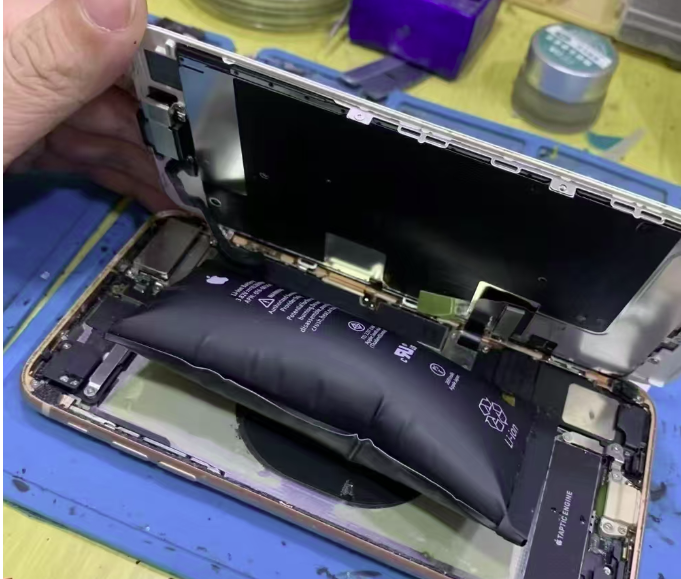
Electronics: Overheated lithium batteries swell and fail
Adhesive goods: Glue layers peel apart under sustained temperatures
Cosmetics & wax items: Formulas melt, separate, become unusable
A customer buys a portable fan. Receives it with a bulging battery. They don’t care that it happened in transit. They care that your product is broken. One negative review. One full refund. One lost customer who will never come back.
This is why product inspection before shipping is becoming more important during summer seasons.
3. High Refund Rates Can Affect Advertising Performance
Shipping delays and broken products are annoying on their own. Combined, they’re fatal.
Your return rate spikes. Platform thresholds trigger. Meta restricts your Facebook and Instagram ad accounts. Google Shopping delists your best-selling products. That winning product you spent weeks testing?
It didn’t die to competition. It died to heat.
And here’s what most “gurus” skip in their summer guides: transit time is everything when heat is the enemy.
Every extra day in a hot container is a day closer to a refund. The sellers who survive summer aren’t the ones with the cheapest shipping — they’re the ones who cut heat exposure to the absolute minimum.The Hidden Cost of Heat-Related Dropshipping Problems
Most sellers calculate only product costs.
But summer supply chain issues create additional hidden expenses.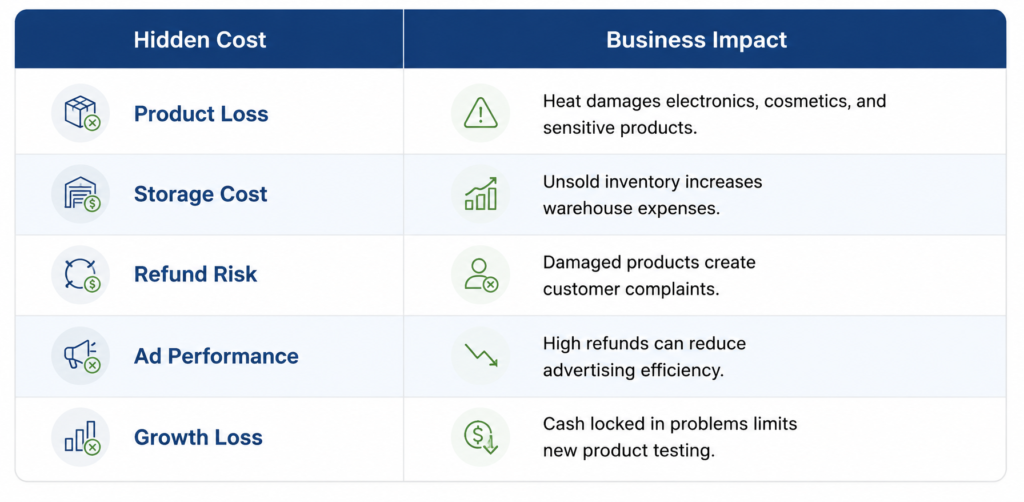
Most sellers run their numbers like this: product cost + shipping + ad spend = profit. They’re missing half the equation.
Look at that table again. Every item on it is a cost that doesn’t show up in your AliExpress invoice. Storage fees eat your margin month after month. Refund expenses wipe out revenue you already counted as won. Customer complaints destroy your store rating — which raises your ad costs.
And missed opportunities? That’s the winning product you never launched because your cash was trapped in dead inventory.
Summer heat doesn’t just damage products. It rewrites your entire profit math.How Dropshipping Sellers Can Reduce Summer Supply Chain Risks
1. Reduce Shipping Distance
Long international shipping routes increase exposure to extreme temperatures.
Using overseas warehouses can shorten delivery time and reduce unnecessary risks.
For example:
China direct shipping:20+ days transit
Local warehouse fulfillment:3–5 days delivery
Shorter transportation windows mean fewer opportunities for heat damage and delays.
2. Add Seasonal Quality Inspection Standards
- Battery safety
- Packaging protection
- Product stability
- Material durability
3. Build Flexible Inventory Strategies
- Test products before scaling
- Avoid unnecessary stock
- Reduce warehouse pressure
- React faster to market changes
Prepare Your Dropshipping Business Before the Next Heatwave
Extreme heat isn’t going anywhere. Global summer forecasts show it’s getting worse, not better.
Your supply chain’s heat resistance isn’t a “nice to have.” It’s the difference between profit and loss this season.
Shortened fulfillment timelines. Strict seasonal quality checks. Proactive customer support. These aren’t optimizations — they’re your three layers of defense.
We’ve covered fulfillment speed and quality inspection in previous posts. This guide extends that framework: record summer heat is the accelerator that exposes every supply chain flaw you’ve been ignoring.
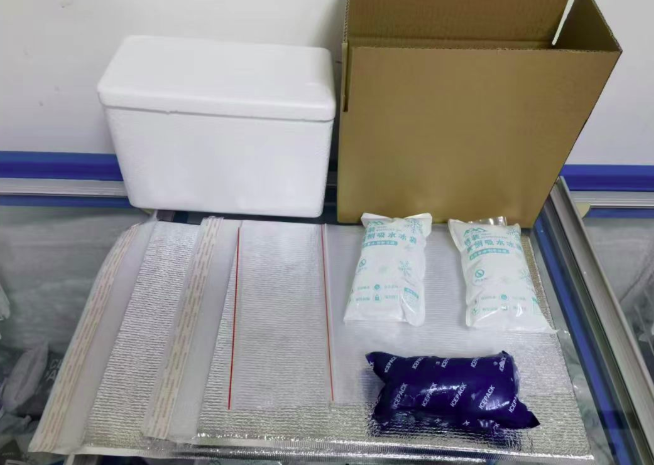
Yoofar provides customized thermal insulation packaging for heat-sensitive fragile goods in summer, paired with seasonal enhanced inspection workflows and dedicated customer service teams to eliminate heat damage risks before they affect your revenue.
🚀 Hot Products & Real-Time Trends
Summer 2026 is moving fast. New winning products surface every week — and the sellers who spot them first are the ones who scale before competition catches up.
Inside the Yoofar community, we share:
Weekly hot product alerts — curated by our sourcing team, not generic AliExpress lists
Real Google Trends data — what’s actually spiking, not what’s already oversaturated
Seasonal shipping intel — which fulfillment routes are stable, which carriers are melting down
This isn’t another “guru” group full of recycled screenshots. It’s dropshippers who actually run stores, sharing what works right now.
Frequently Asked Questions
- How much can extreme heat raise my store’s return rate?
Summer heat can push return rates of heat-sensitive goods (electronics, cosmetics, adhesive products) 2–3 times higher than normal. The hidden loss goes far beyond simple refunds: wasted ad spend, chargeback fees, and platform ad penalties. Most sellers only discover these losses after Meta restricts their ad accounts.
- What product categories are most vulnerable to heat damage?
The “danger zone” covers three main groups: electronics with lithium batteries (swelling/failure), adhesive-based products (glue separation), and cosmetics or wax items (melting, formula breakdown). If you’re dropshipping any of these in summer without enhanced inspection, you’re gambling with your return rate. Our guide on Dropshipping Quality Inspection breaks down category-specific checks.
- Should dropshipping sellers avoid seasonal products?
No. Seasonal products can still be profitable. The key is using flexible inventory strategies instead of buying large quantities too early.
- How can sellers prepare for summer demand?
Sellers should optimize fulfillment speed, improve inspection standards, and monitor products with higher heat sensitivity.